Quality and precision in vacuum pumps from
Welch
Vacuum pumps from
Welch
FAQ
What is a vacuum pump, and what is it used for in the laboratory?
A vacuum pump removes air and gas from a closed system to create negative pressure. In the laboratory it is used for applications such as filtration, evaporation, freeze drying, degassing and vacuum drying.
What is the difference between rotary vane, diaphragm and scroll pumps?
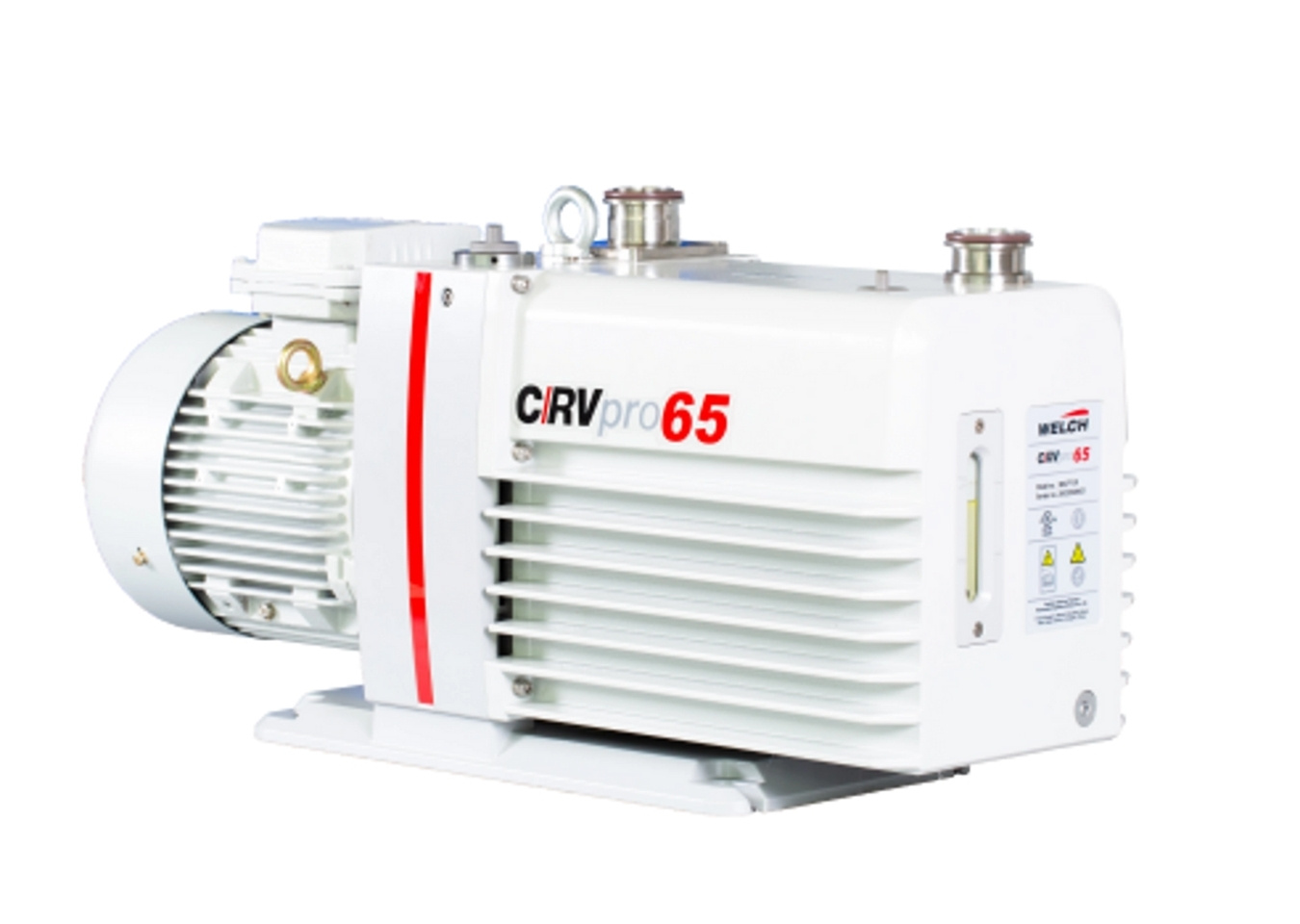
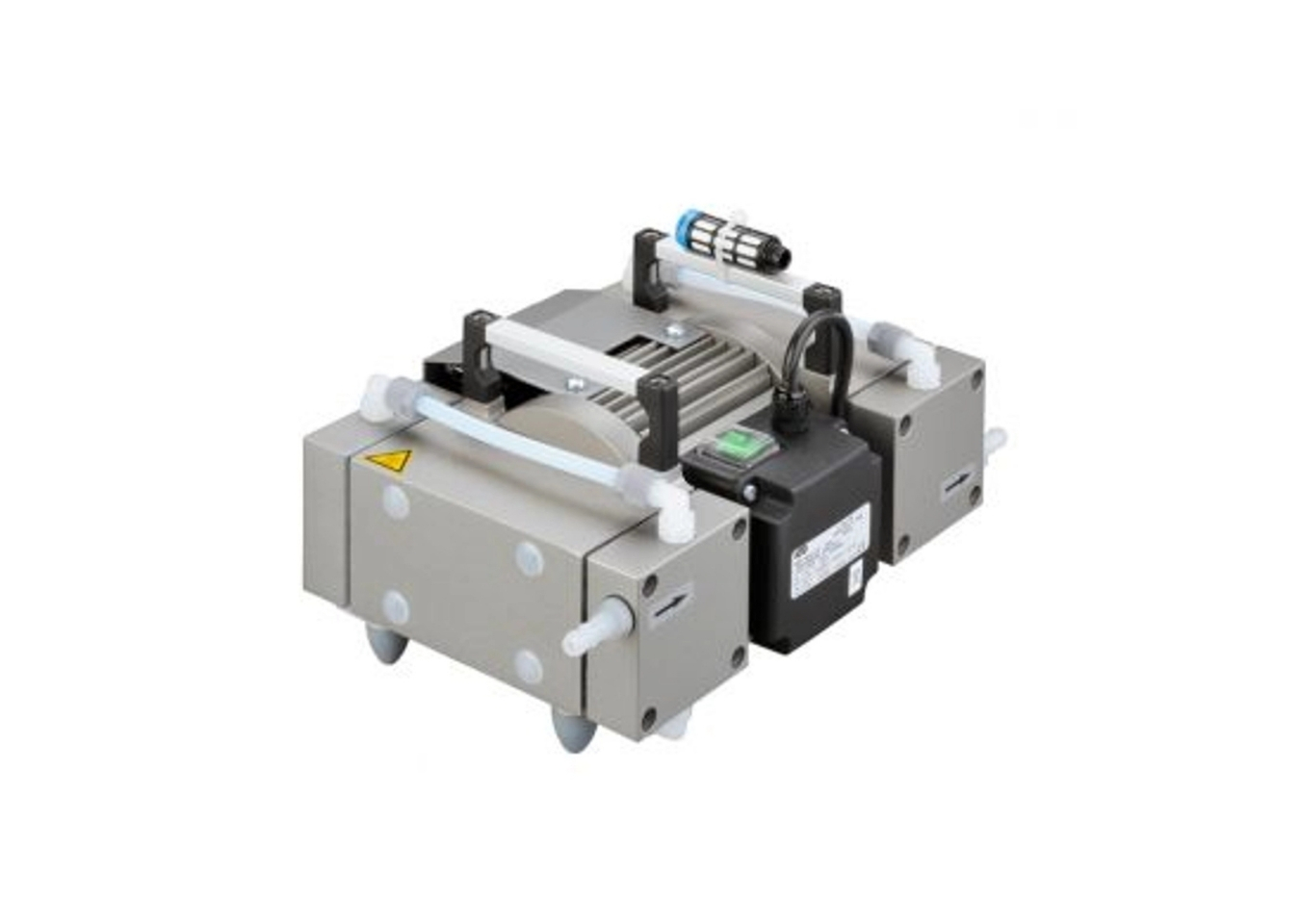
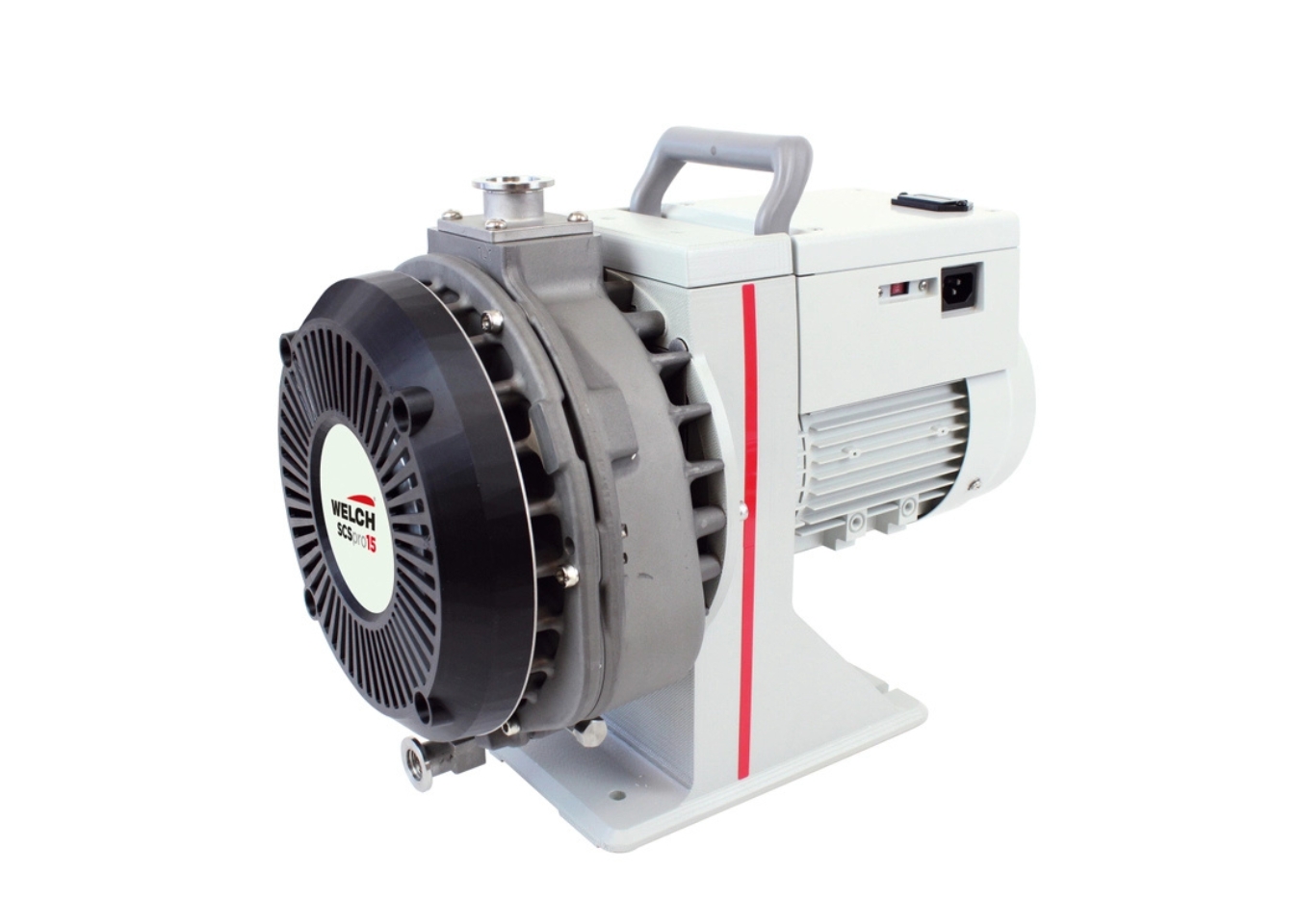
Rotary vane pumps deliver deep vacuum and suit demanding applications, but are oil-sealed and require oil changes. Diaphragm pumps are oil-free and chemically resistant, ideal for corrosive vapours and moderate vacuum. Scroll pumps are oil-free and provide clean, deep vacuum with low noise.
What is an oil-free vacuum pump, and what are the benefits?
An oil-free pump operates without lubricating oil in the vacuum chamber. The benefits are clean vacuum free of oil vapour, lower maintenance and no risk of oil contaminating samples or processes. Diaphragm, scroll and WOB-L pumps are all oil-free.
What is a WOB-L piston pump?
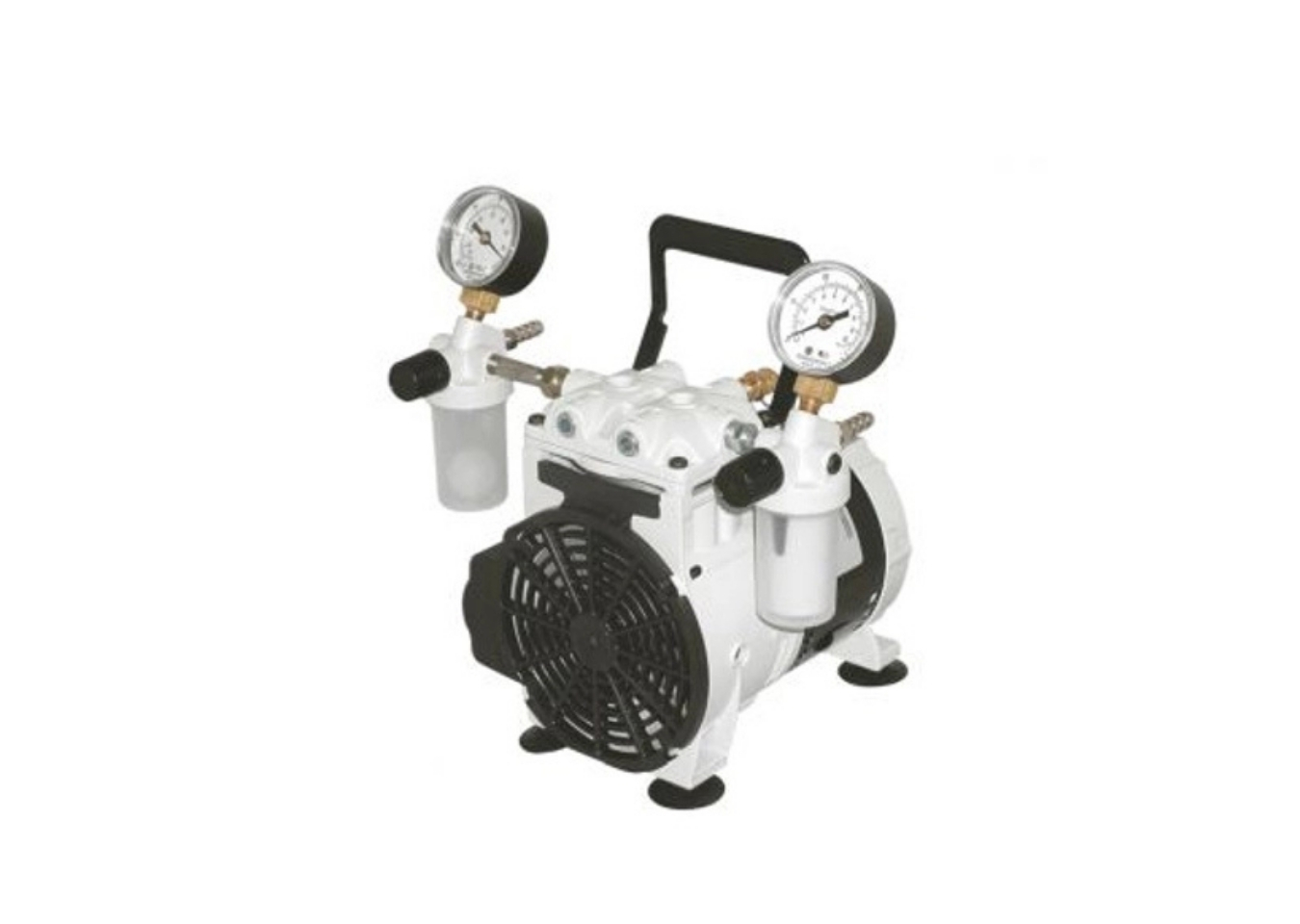
WOB-L is Welch’s oil-free piston pump using wobble-piston technology. It is rugged and low-maintenance, and handles both vacuum and pressure in general laboratory tasks such as filtration and aspiration.
How do I choose the right ultimate vacuum and capacity?
Ultimate vacuum indicates how deep a vacuum the pump can reach, while capacity (pumping speed) indicates how quickly it evacuates the system. Choose ultimate vacuum based on your application’s requirements and capacity based on the volume to be evacuated. Contact us for help selecting the right pump.
Which vacuum pump is suitable for corrosive or aggressive vapours?
For corrosive vapours we recommend chemically resistant diaphragm pumps, where diaphragms and valves are made from materials that withstand aggressive media. Oil-sealed rotary vane pumps can be damaged by corrosive vapours unless they are designed for this.
How much maintenance does a vacuum pump require?
Oil-free pumps (diaphragm, scroll, WOB-L) require little maintenance and no oil changes. Diaphragm pumps need periodic replacement of diaphragms and valves. Oil-sealed rotary vane pumps require regular oil changes to maintain performance.
Which laboratory applications are Welch pumps used for?
Welch pumps are used for applications such as rotary evaporation, vacuum filtration, freeze drying, vacuum drying ovens, degassing and aspiration. Different pump types suit different applications depending on the required vacuum level and chemical resistance.