Welch logo
Welch logo

Applications for Welch Vacuum Pumps

Vacuum pumps from Welch are widely used in both laboratories and industry, covering a broad range of applications — here are some typical examples:

  • Filtration and vacuum drying: The pumps remove gas or vapor from samples to enable fast and controlled drying.
  • Gas sampling and analysis: They provide a stable vacuum for drawing gases through sensors or preparing samples for mass spectrometry.
  • Laboratory and life science applications: For example, aspiration in cell culture, vacuum ovens, gel drying, and freeze-drying — Welch pumps can be used for all these purposes.
  • Automation, pick & place, and vacuum fixturing: Providing vacuum to hold objects in place (vacuum workholding/vacuum chucking) or for automated handling.
  • Industrial applications such as HVAC systems and process equipment: For example, removing air and moisture in cooling and ventilation systems.
pdf-brosjyrer-labhuset
Send melding - Frode eng (#10)

Contact us

Frode Rangset

Frode Rangset

We would like to hear from you if you have any questions or inquiries about our services and products!

Send melding - Frode eng (#10)

Contact us

Frode Rangset

We would like to hear from you if you have any questions or inquiries about our services and products!

Frode Rangset

Product specifications

Applications

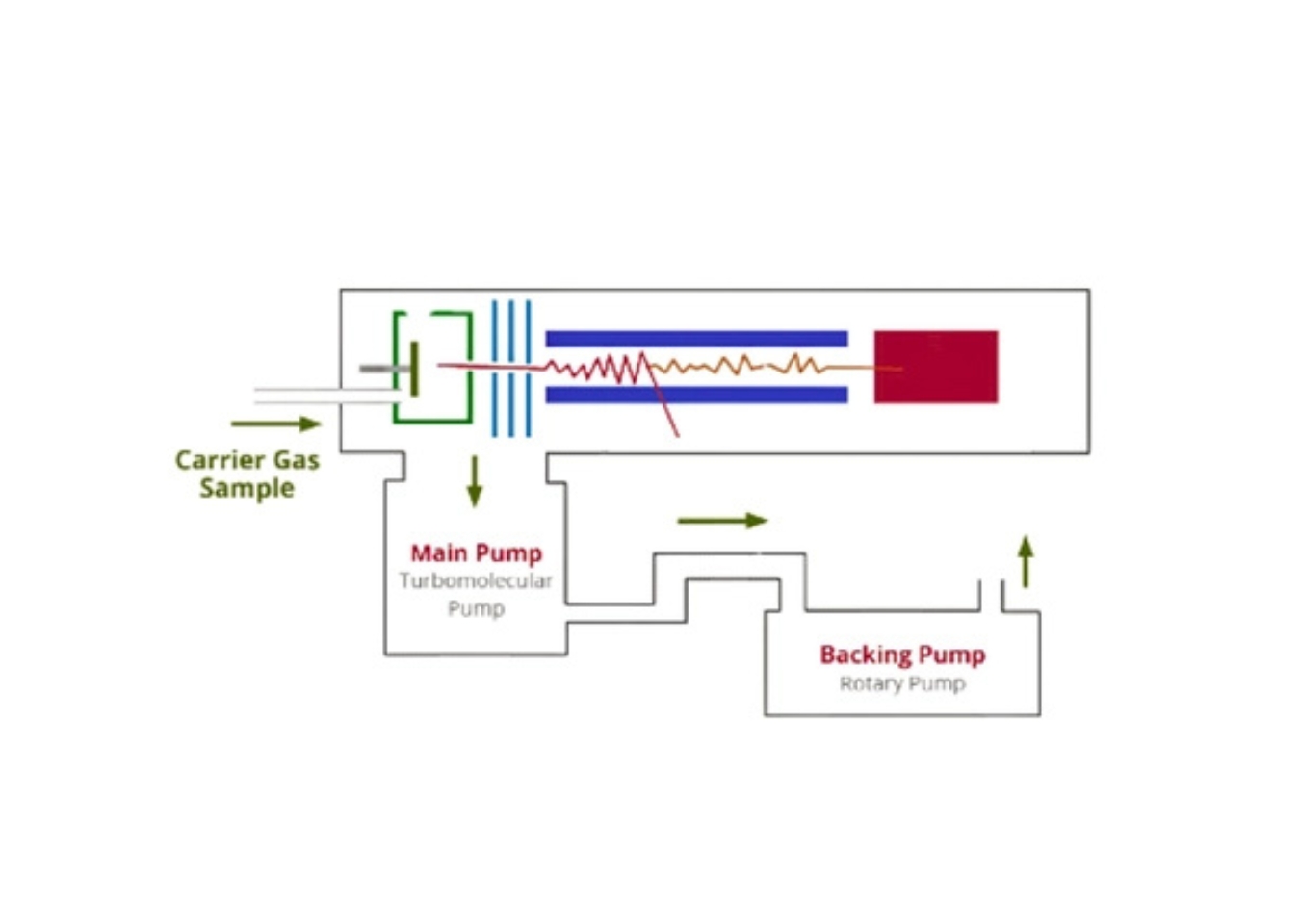
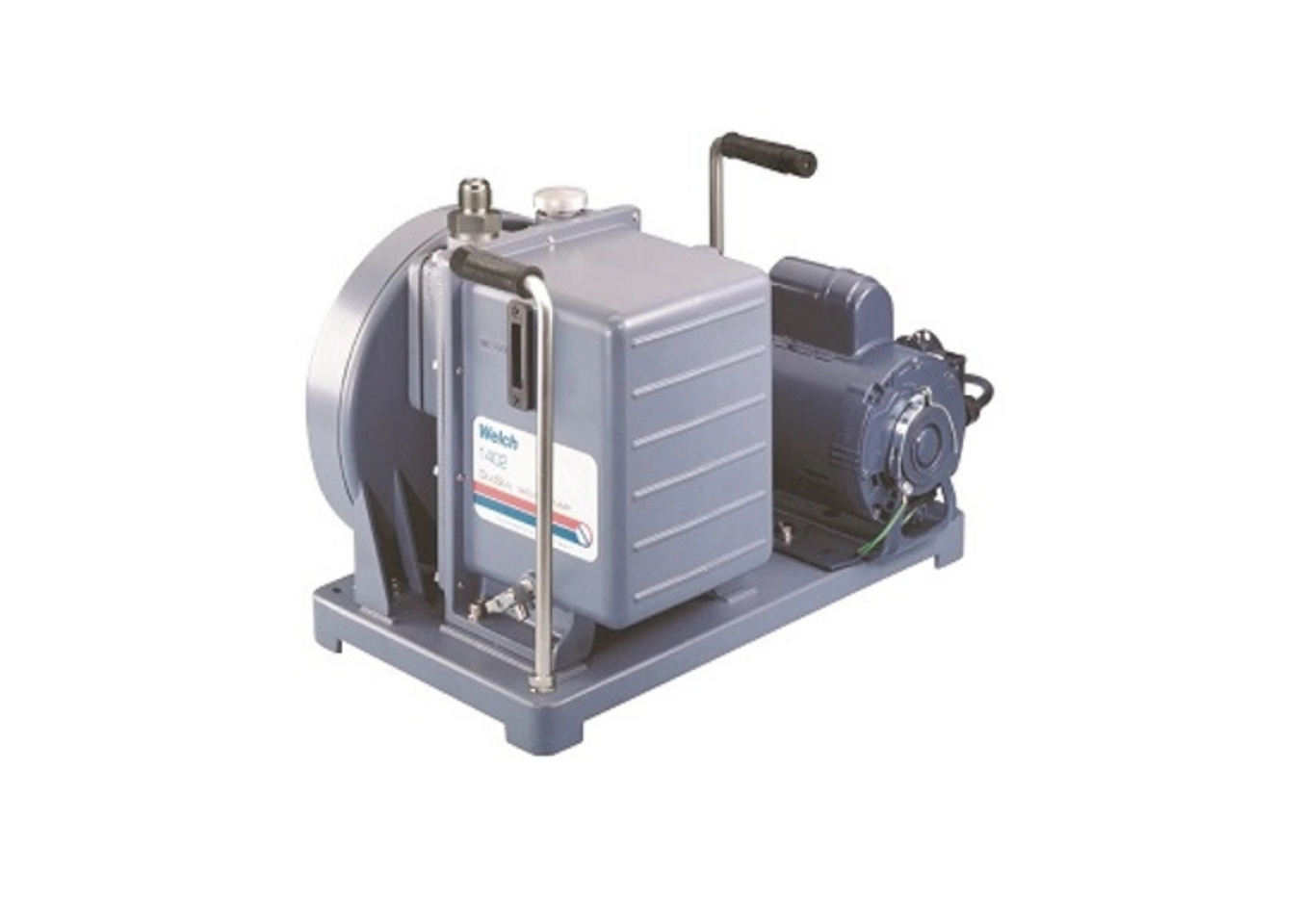
Mass spectrometry Mass spectrometry requires stable, deep vacuum to ionize and analyze molecules without interference from atmospheric air. The vacuum pump serves as a backing pump for the turbomolecular pumps in the instrument. Requirements: low ultimate pressure, high reliability and quiet operation. Recommended pump: CRVpro or SCSpro

Rotary evaporator Rotary evaporators (rotavap) use vacuum to lower the boiling point of solvents so they can be evaporated gently from the sample. Vacuum control is critical for reproducible results. Requirements: adjustable vacuum, chemically resistant pump. Recommended pump: MPC diaphragm pump (with vacuum controller)

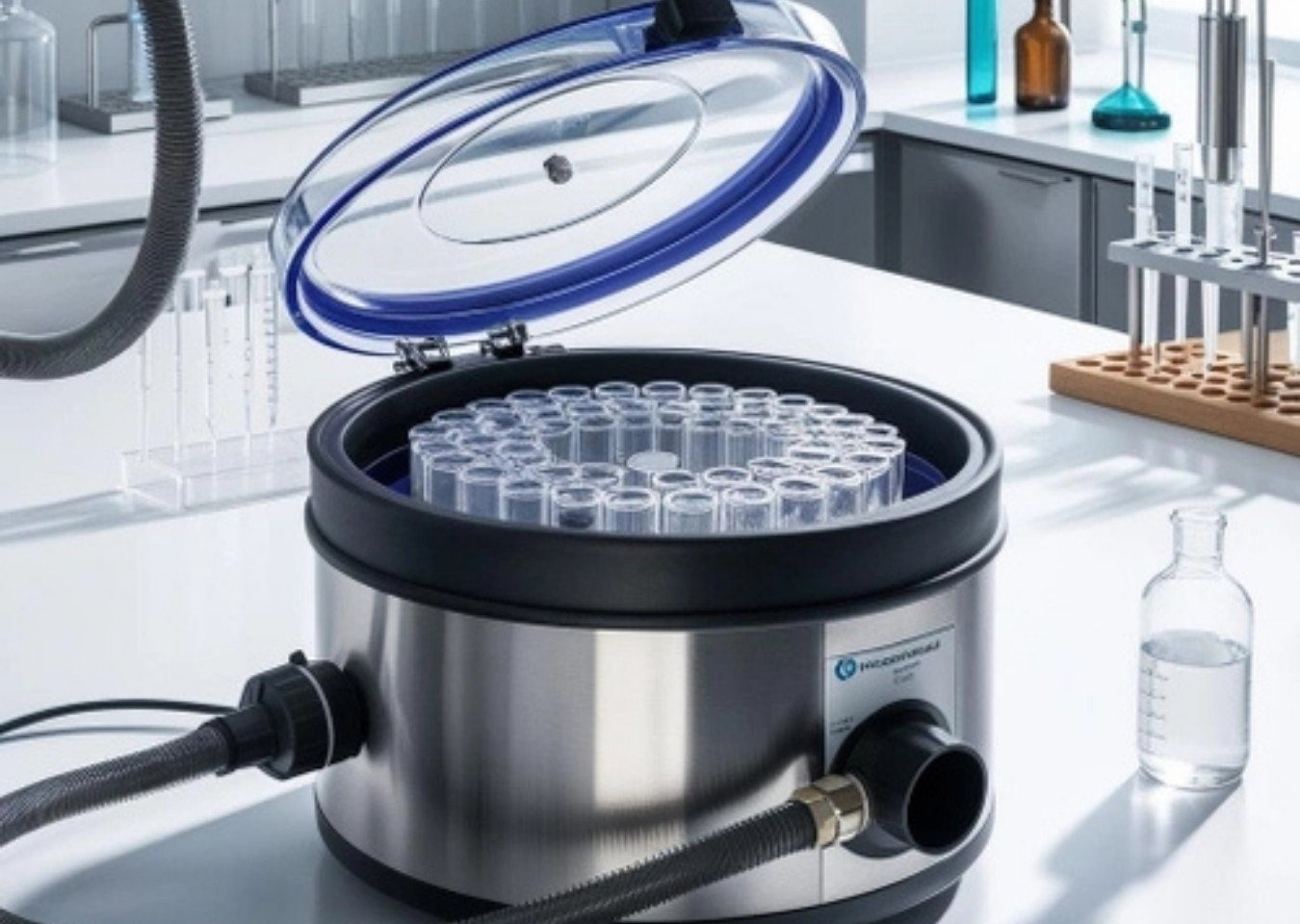
Vacuum concentrator Vacuum concentrators remove solvents from many samples at once using vacuum, centrifugal force and heat. Widely used in biotechnology and pharmaceutical research. Requirements: stable vacuum, oil-free operation. Recommended pump: MPC diaphragm pump

Freeze drying (lyophilization) Freeze drying removes water from biological samples, pharmaceuticals or food by freezing the sample and then sublimating the ice under vacuum. It requires deep vacuum and a pump that tolerates large amounts of water vapour. Requirements: deep vacuum, robust vapour handling. Recommended pump: CRVpro with cold trap, or SCSpro

Vacuum ovens Vacuum ovens are used for drying and heat treatment of materials that cannot tolerate oxygen or moisture at elevated temperature. Common in materials research, electronics and pharmaceuticals. Requirements: stable vacuum over extended periods, oil-free operation. Recommended pump: MPC diaphragm pump or CRVpro

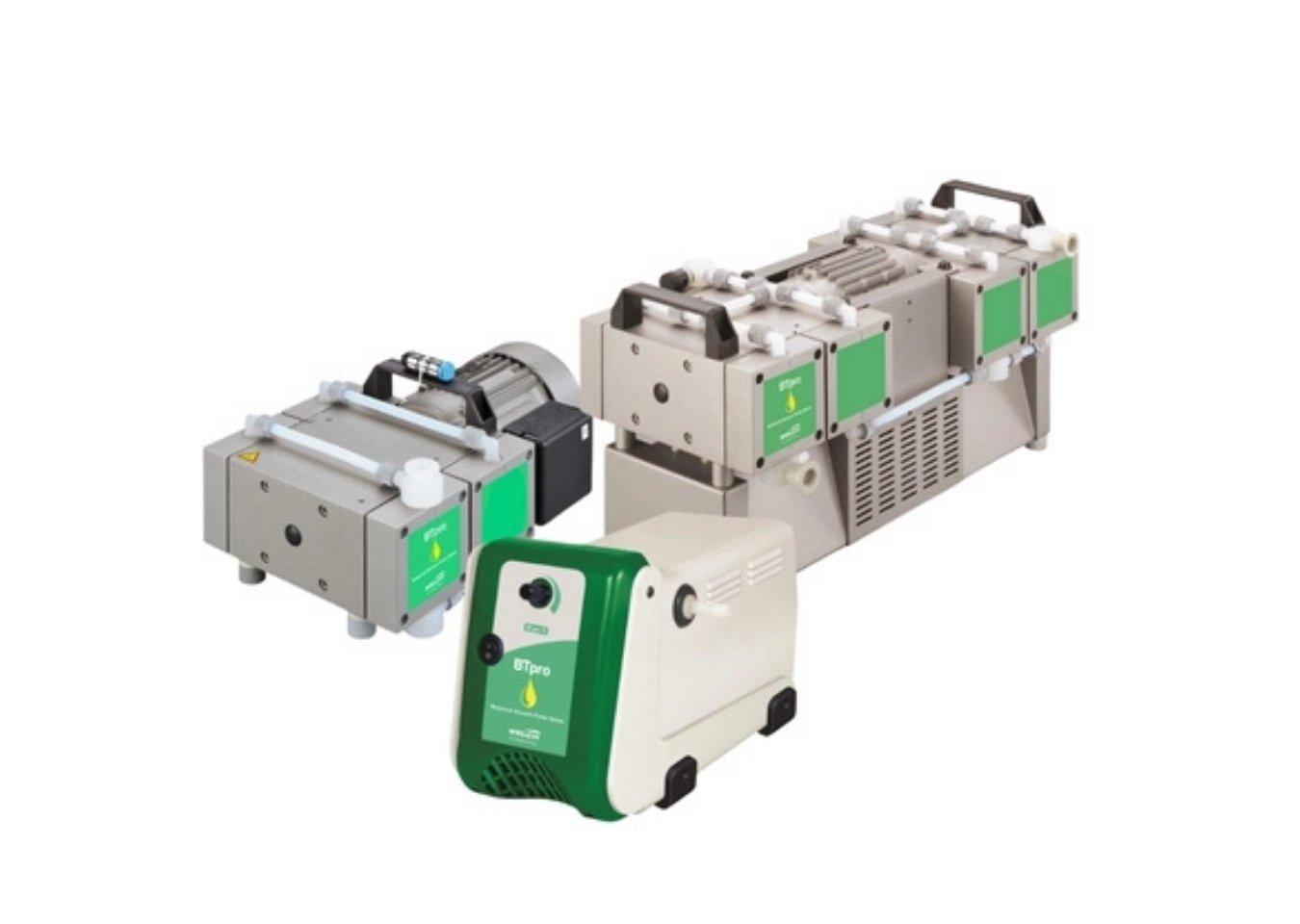
Vacuum and pressure filtration Vacuum or pressure is used to accelerate filtration of liquids through filter media. One of the most common laboratory applications. Requirements: moderate vacuum, simple operation, support for both vacuum and pressure. Recommended pump: WOB-L piston pump or MPC diaphragm pump

Vacuum distillation Vacuum distillation lowers the boiling point of liquids so that thermally sensitive compounds can be distilled without degradation. Used in chemistry, pharmaceuticals and the food industry. Requirements: stable and adjustable vacuum, chemically resistant pump. Recommended pump: MPC diaphragm pump (with vacuum controller)

Vacuum degassing / desiccator Degassing removes dissolved gases from liquids – critical for samples in chromatography, casting processes and epoxy curing. Desiccators are used to store moisture-sensitive samples under dry vacuum. Requirements: moderate vacuum, simple operation. Recommended pump: WOB-L piston pump or MPC diaphragm pump

Vacuum manifolds Vacuum manifolds distribute vacuum from a single pump to several samples or processes simultaneously – typically used in SPE (solid phase extraction) and parallel filtration. Requirements: sufficient capacity for several parallel outlets. Recommended pump: MPC diaphragm pump or CRVpro

Vacuum aspiration (cell culture) In cell culture, vacuum aspiration is used to remove medium, washes and waste from wells and flasks without disturbing the cell layer. Requirements: oil-free, quiet and reliable operation – often in sterile environments. Recommended pump: MPC diaphragm pump

Glove boxes Glove boxes provide an inert, controlled atmosphere for handling air-sensitive materials. The vacuum pump is used to evacuate the box during gas exchange. Requirements: deep vacuum, clean and oil-free operation. Recommended pump: SCSpro or CRVpro

Gel dryers Gel dryers are used in electrophoresis to dry polyacrylamide gels under vacuum and heat. Requirements: stable vacuum over time, a simple and affordable pump. Recommended pump: MPC diaphragm pump or WOB-L piston pump

Gas analysis Vacuum pumps are used to draw gas through analysis instruments or to prepare gas samples. Requirements: stable flow, precise dosing, a pump that does not contaminate the sample. Recommended pump: WOB-L piston pump or MPC diaphragm pump

Vacuum measurement and control Vacuum measurement instruments and control systems require a stable, quiet vacuum source. Requirements: low noise level, stable operation. Recommended pump: MPC diaphragm pump or CRVpro

Processing of botanical raw materials Extraction of active compounds from plants is often carried out under vacuum to preserve thermally sensitive ingredients. Requirements: chemically resistant pump, adjustable vacuum. Recommended pump: MPC diaphragm pump (with vacuum controller)

HVAC pumps In refrigeration and ventilation systems, vacuum pumps are used to evacuate pipe systems of air and moisture before charging with refrigerant. Requirements: high capacity, robust construction. Recommended pump: CRVpro

Pick and place / vacuum chucking In industrial automation, vacuum is used to grip, move and hold components in place without mechanical contact. Requirements: fast response, reliable pressure, compact design. Recommended pump: WOB-L piston pump


Pump guide

Application CRVpro SCSpro Diaphragm (MPC) WOB-L
Mass spectrometry
Rotary evaporator
Vacuum concentrator
Freeze drying
Vacuum ovens
Vacuum filtration
Vacuum distillation
Degassing / desiccator
Vacuum manifolds
Cell culture aspiration
Glove boxes
Gel drying
Gas analysis
Vacuum measurement
Botanical raw materials
HVAC
Pick and place

Who are Welch applications suited for?

Welch vacuum pumps cover a broad range of users and industries:

  • Research laboratories – university labs, institutes and R&D departments with varied vacuum needs
  • Pharmaceutical and biotechnology industry – freeze drying, sterile processing and analytical work
  • Chemical industry – distillation, extraction and synthesis of chemical compounds
  • Food industry – processing of botanical raw materials and thermally sensitive ingredients
  • Clinical and diagnostic laboratories – cell culture, aspiration and sample preparation
  • Electronics and materials research – vacuum ovens and processing in inert atmosphere
  • HVAC and technical installers – evacuation of refrigeration systems

About the manufacturer – Welch

Welch is part of Gardner Denver Thomas GmbH and is one of the world’s leading suppliers of vacuum pumps and systems for laboratories and industry. The company has extensive experience in the development of pump technology and serves customers globally in research, pharmaceuticals, chemistry and industry.

  • EMEA office: Am Vogelherd 20, 98693 Ilmenau, Germany
  • Gardner Denver Thomas GmbH: Livry-Gargan-Str. 10, 82256 Fürstenfeldbruck, Germany
  • Website: www.welchvacuum.com
  • Certifications: CE and cUL

At Labhuset you will find a selection of Welch vacuum pumps adapted to various laboratory purposes.

Frequently asked questions

The most important thing is to weigh two factors: how deep a vacuum you need, and whether the process involves aggressive chemicals. For deep vacuum (below 1 mbar), choose CRVpro or SCSpro. For oil-free operation with moderate vacuum requirements, choose a diaphragm pump (MPC). For simple filtration and gas sampling with non-corrosive media, choose WOB-L. See the pump guide above, or contact us for advice.

Yes, many models are flexible. CRVpro and MPC diaphragm pumps are often used for several purposes in the same laboratory. The key is that the pump is suited to the chemicals and vacuum levels involved in each individual application.

Oil-free pumps (diaphragm, scroll, WOB-L) pose no risk of oil contaminating samples or instruments, require no oil changes and generally have lower maintenance costs. Oil-sealed pumps (CRVpro) deliver deeper vacuum and higher capacity, but require regular oil changes and generate oil mist that must be filtered.

For most applications, a cold trap or liquid separator between the application and the pump is recommended to protect the pump against condensate. For aggressive chemicals, an adsorption trap on the intake side is recommended. Welch and Labhuset offer a complete range of accessories for all pump types.

Yes. Labhuset AS is an authorized Norwegian dealer for Welch vacuum pumps and is happy to help you choose the right pump, accessories and system setup based on your specific needs. Contact frode@labhuset.no or call +47 948 26 016.